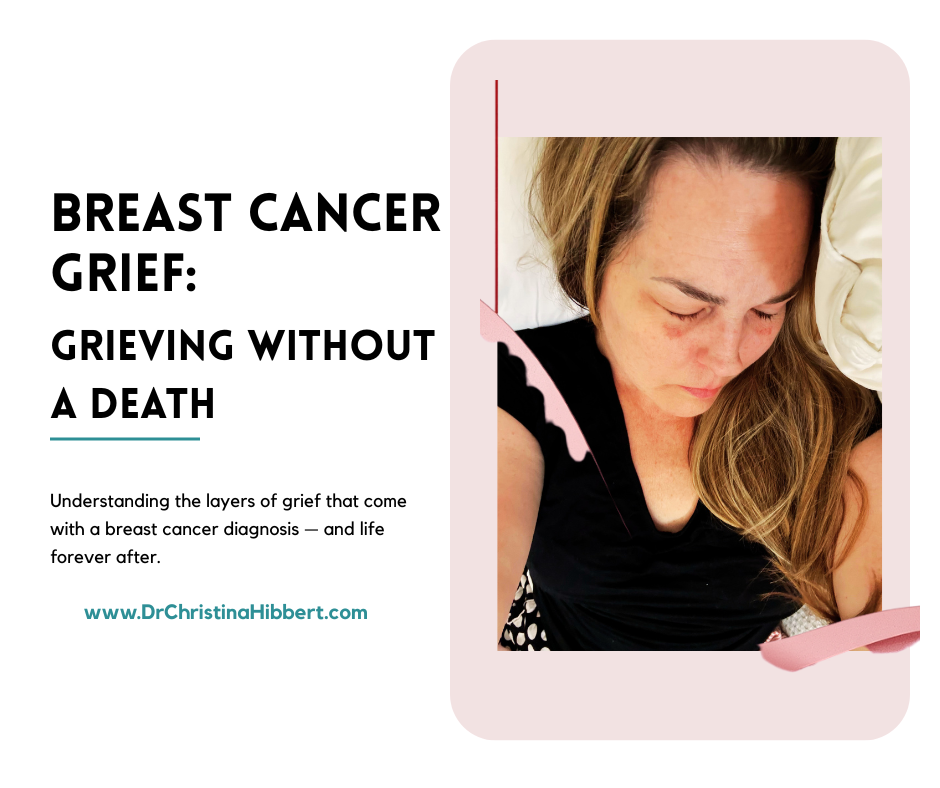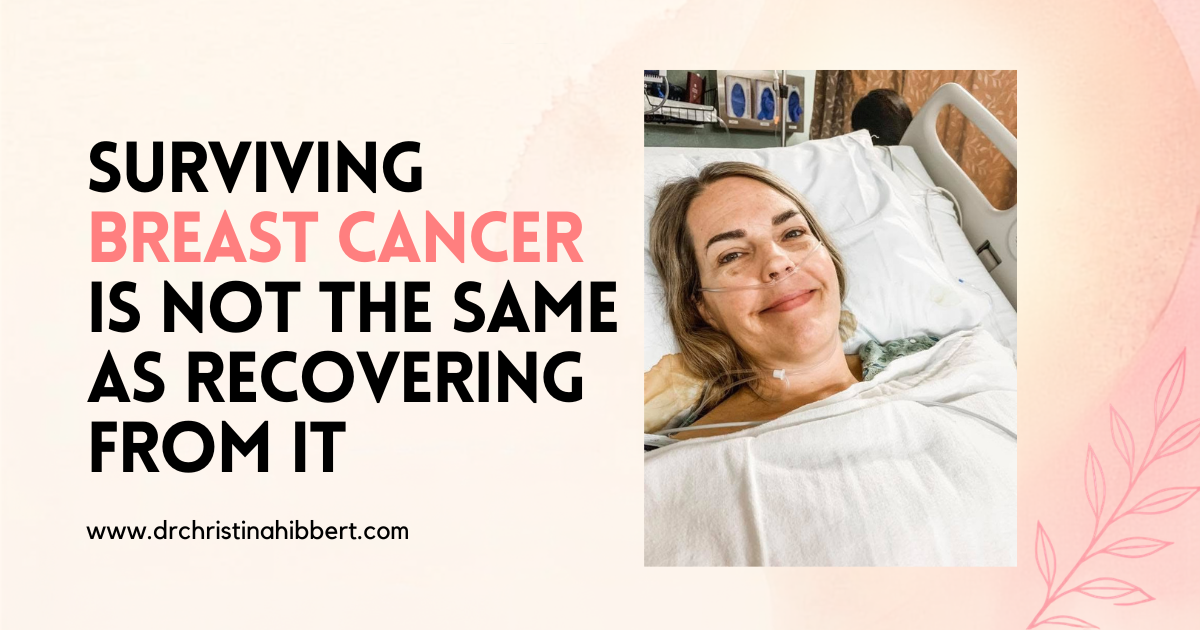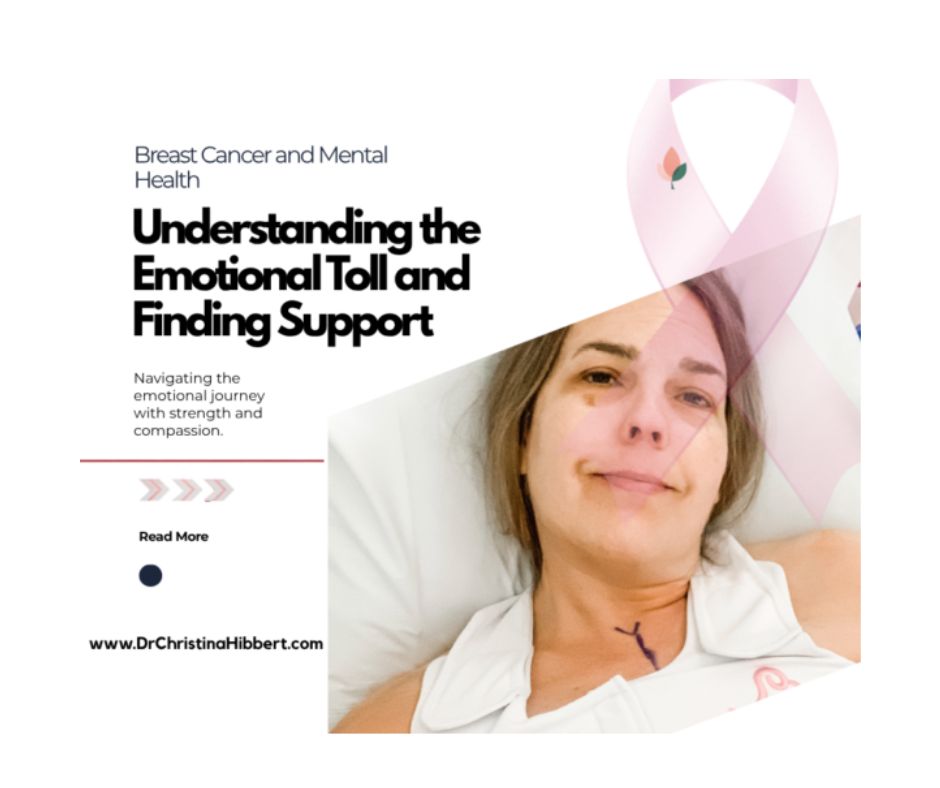
Breast cancer doesn’t just affect the body. It leaves a deep, lasting impact on the mind and spirit as well.
As a clinical psychologist and breast cancer survivor myself, I know firsthand that the emotional and psychological challenges of breast cancer can be just as intense as the physical ones. For many survivors, the battle isn’t over once treatment ends. In fact, it often feels like a new, even more complex battle has just begun.
The Emotional and Psychological Burden of Breast Cancer
From the moment of diagnosis, breast cancer survivors face a whirlwind of emotions—fear, grief, anger, confusion, and, often, profound loss. These losses can include not just physical parts of our bodies, like breasts or hair, but also a sense of safety, identity, and control.
For many, it’s a loss of innocence, a sudden, harsh awareness of our mortality. This trauma extends beyond the patient, impacting family, friends, and the broader community as they struggle to understand and cope with this life-altering illness.
In my own journey…
I’ve felt the deep psychological toll of breast cancer.
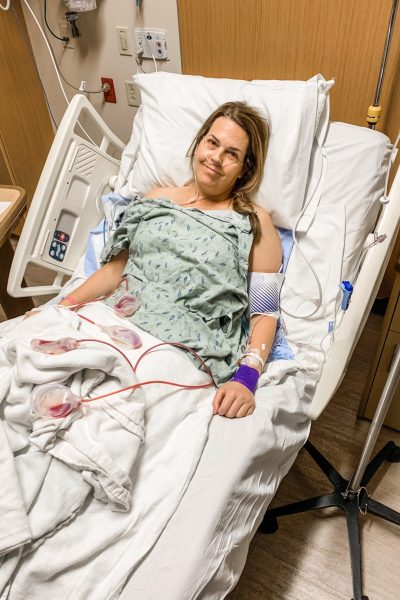
After my double mastectomy—a true double amputation—I faced multiple infections and 13 surgeries in the first 17 months. Each one brought new trauma, fresh scars, and a deeper awareness of my body’s fragility.
I’ve wrestled with the question, “Who am I now?” as my identity and self-worth shifted in ways I never expected. I’ve heard the same question echoed in the voices of so many other survivors: “Who am I now, after cancer?”
Research shows that as many as 82.5% of breast cancer survivors will experience symptoms of PTSD. Anxiety and depression are also common, and these often worsen once active treatment is over.
Family, friends, and even doctors may expect that life will “return to normal” once the cancer is “gone.” But survivors know that it’s not over when they say “you’re done. We’re only beginning to understand all that has happened and to heal, physically and emotionally.
Finding Support and Rebuilding Emotional Strength
To heal emotionally, we first have to admit to ourselves that we’re struggling. This can be hard. We often feel pressure to be strong, to “beat cancer” with a smile on our face. But acknowledging our pain is the first step toward true recovery.
Support can come in many forms, including professional therapy, support groups, and personal connections. We need places to share our fears, anger, grief, and even our triumphs, without feeling the pressure to be “inspirational” all the time.
If you’re struggling with anxiety, depression, or PTSD, finding a qualified mental health provider who understands women’s mental health and the unique challenges of breast cancer can be life-changing. Beyond therapy, other practices like journaling, spending time in nature, moving your body as feels good for you, eating well, and getting enough rest can also support emotional healing.
Coping with Body Image and Identity Changes
The physical changes that come with breast cancer can deeply impact our self-worth. I’ve struggled with this myself, especially after my double mastectomy and the long series of complications that followed. It took years and deep therapeutic work—through talk therapy, EMDR, and ketamine-assisted psychotherapy—to begin to accept my body as it is, scars and all.
For many, the question isn’t just “Who am I now?” but also, “How can I accept this body that feels so foreign?” This process is deeply personal and ongoing, but it’s possible to find a new sense of self-worth and strength, even if it’s never quite the same as it was before cancer.
Rebuilding Relationships and Asking for Help
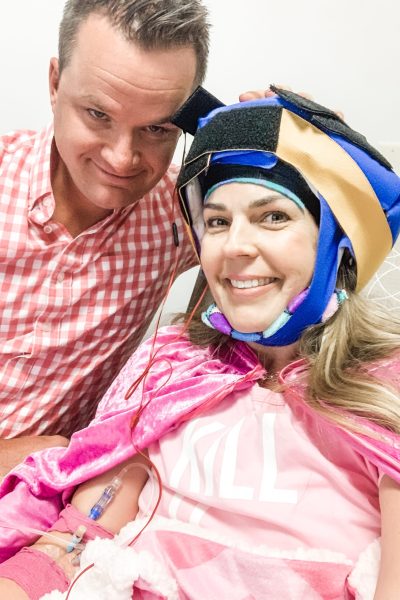
Breast cancer doesn’t just affect the survivor—it impacts everyone around her. Family, friends, and community play a vital role in our emotional recovery. My husband, for example, has been a constant source of support, taking me to treatments and listening as I try to process my experience. It’s not perfect, and we’ve had to work on our relationship because this impacts him, too. But I’m grateful to have his support.
Each of my six children have each handled my diagnosis differently, especially as they’ve grown into young adults these past years. It hasn’t been easy on them, and we’ve had to work through these impacts together.
Asking for help can be one of the hardest things we do as survivors, but it’s also one of the most important. It allows others to support us, to feel connected, and to share in our healing. It’s okay to say, “I need help.” It’s okay to be specific about what you need. And it’s okay to keep asking until you find the support you deserve.
I know many out there don’t have the support you wish you had, and I encourage you to search for it wherever it might be found: Family, friends, faith community, support groups, therapy, community services, or even online.
My social media communities can offer support, too. (Instagram, Facebook, TikTok, YouTube). (Join my FB Group, Breast Cancer Warrior Emotional Support https://www.facebook.com/groups/breastcancerwarrior)
Moving Forward: Creating a New Normal
Breast cancer changes everything. But not all those changes are for the worse. I’ve seen survivors find new strength, deeper relationships, and greater purpose in their post-cancer lives.
The path is hard, often painful and fraught with chronic illness or issues–but it’s also full of potential for growth and renewal.
If you’re struggling, know that you’re not alone.
You’re part of a powerful community of survivors who understand what you’re going through.
Keep reaching out, keep speaking up, and keep moving forward.
There’s life beyond cancer, and it can be beautiful in ways you never imagined.
Read Part 1 and Part 2 of my Breast Cancer Emotional Survival Guide Series